
SEO copywriting in 2026 looks very different from what it did just a few years ago. Search engines are smarter, user expectations are higher, and content saturation that is largely driven by AI has made mediocrity invisible.
Ranking higher today isn’t about gaming algorithms. It’s about writing content that genuinely helps people while clearly signaling relevance, quality, and trust to search engines.
If you want your content to perform in 2026, you need to understand how modern search systems interpret language, how users actually read online, and how to balance optimization with human communication. This guide walks you through 15 SEO copywriting tips that reflect how ranking content is evaluated now, not how it worked in the past.
1. Start by Understanding Why Someone Is Searching
Every high-ranking SEO article begins with a clear understanding of intent. In 2026, search engines can reliably identify whether a user wants information, guidance, comparison, or action. If your content doesn’t match that underlying purpose, it won’t rank sustainably.
Someone searching for “flower bouquet delivery” is usually not looking for the history of roses or a definition of floral arrangements. They likely want to order flowers quickly, compare delivery options, check same-day availability, or find the best bouquet for a specific occasion.
If your page focuses on general flower care tips instead of showcasing bouquets, pricing, delivery timing, and clear ordering steps, it won’t meet their expectations. Writing with the user’s real goal in mind shapes your structure, content, and calls-to-action and significantly improves your chances of ranking and converting.
2. Write to Own a Topic, Not Just a Keyword
SEO in 2026 prioritizes topical authority over individual keyword targeting.
Instead of rewarding pages that match exact phrases, search engines evaluate whether your content demonstrates a deep and accurate understanding of the broader subject.
For SEO copywriting, that means naturally covering related concepts like search intent, content structure, AI-generated content quality, user engagement, and trust signals. When these elements are woven into the article organically, your content signals completeness, and that’s what earns long-term rankings.
3. Demonstrate Experience, Not Just Information
Experience has become one of the most important trust indicators in 2026. Users and search engines can tell the difference between content that repeats advice and content that understands it.
You don’t need to write in a formal or academic tone to show expertise. Clear explanations, realistic expectations, and balanced perspectives go a long way. Avoid exaggerated promises and focus on what actually works in real-world scenarios.
Content that feels grounded builds trust, and trust drives engagement.
4. Use AI Carefully Without Losing Your Voice
AI tools are now standard in content creation, but they’ve also raised the bar. Generic, pattern-based writing is everywhere and increasingly filtered out by search systems.
In 2026, successful SEO copy uses AI to assist with structure or ideation, but the final output must feel human. Adding nuance, prioritizing clarity, and explaining why something matters helps your content stand out from mass-produced pages. If your article could be swapped with dozens of others without anyone noticing, it’s unlikely to rank.
5. Optimize Keywords Naturally and Intentionally
Keyword optimization still matters, but overuse is counterproductive. In 2026, search engines understand context, synonyms, and intent extremely well.
Your main keyword should appear naturally in the title, early in the introduction, and where it makes logical sense throughout the article. Beyond that, focus on writing clearly and comprehensively. If a sentence feels awkward because of a keyword, rewrite it since clarity always wins.
6. Write Titles That Earn Clicks, Not Just Rankings
Your title is both a ranking signal and a decision point for users. In crowded search results, clarity and specificity matter more than cleverness.
A strong SEO title clearly communicates value and sets accurate expectations. Including numbers, outcomes, or time references such as “2026” helps signal freshness and relevance. If users consistently choose your result, it sends positive engagement signals that support ranking stability.
7. Treat Meta Descriptions as Persuasive Copy
While meta descriptions don’t directly affect rankings, they strongly influence click-through rates—and user behavior matters.
A well-written meta description reinforces the promise of your title and addresses the user’s motivation for searching. It should feel natural and reassuring, not stuffed with keywords. When users trust your result before clicking, engagement tends to follow.
For example, a weak meta description might look like this:
“Order flower bouquet delivery online. Send fresh flowers, rose bouquets, birthday flowers, and anniversary flower delivery with same-day flower delivery service.”
This technically includes keywords, but it doesn’t give the user a compelling reason to click. It feels repetitive, generic, and similar to many other results on the page.
Now compare that with a stronger, more persuasive meta description:
“Surprise someone special with handcrafted flower bouquets delivered the same day! Choose from roses, lilies, and seasonal arrangements—fresh, elegant, and ready to impress.”
The second version speaks to emotion, highlights benefits, and reassures the user about quality and speed—making it far more clickable while still remaining search-friendly.
8. Structure Content for How People Actually Read
Most users don’t read articles word for word. Instead, most users scan, pause, and decide whether to continue. Content that respects this behavior performs better.
Short paragraphs, clear headings, and logical flow help users quickly understand what they’ll gain from reading. When content feels approachable and easy to navigate, users stay longer, and time on page remains a strong quality indicator.
9. Write With Featured Snippets and AI Summaries in Mind
Modern search results often surface answers directly through featured snippets or AI-generated overviews. Content that ranks well is content that explains things clearly enough to be extracted.
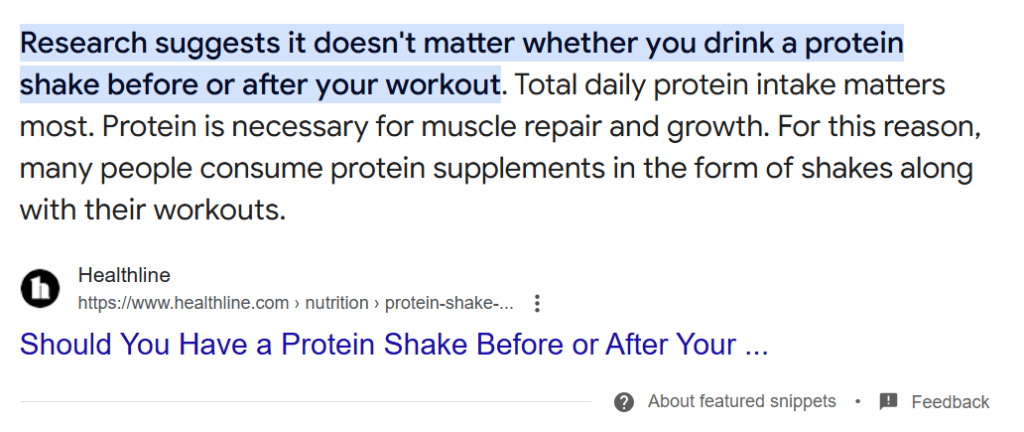
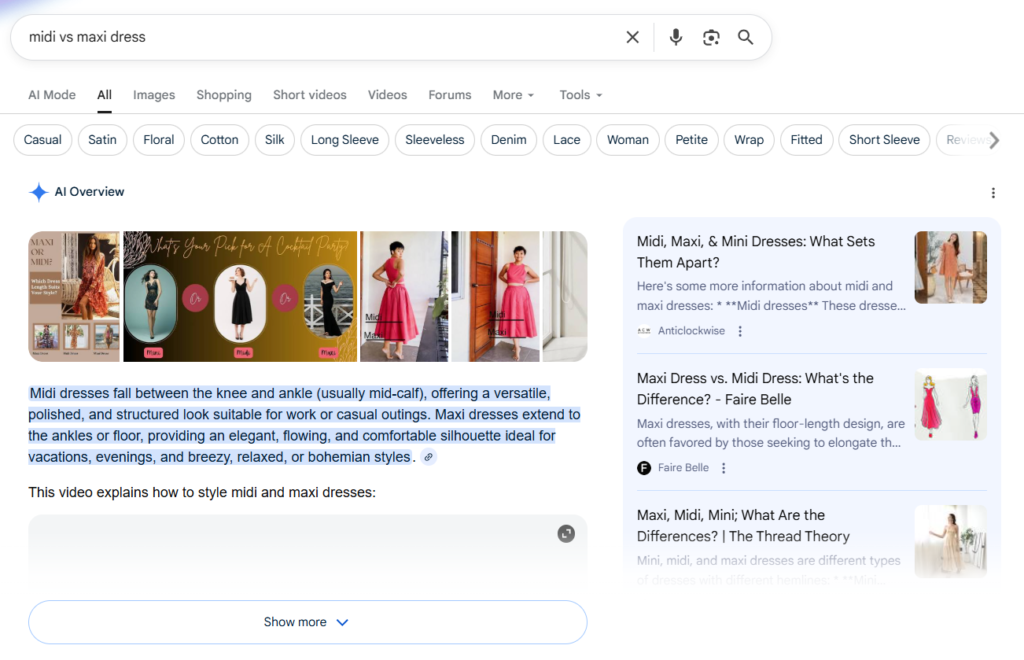
Defining key concepts, answering questions directly, and placing concise explanations near the top of sections increases your chances of being featured.
When your content is easy for systems to summarize, it’s more likely to be prioritized.
10. Prioritize Depth and Clarity Over Word Count
Long content does not rank simply because it is long. Usefulness outweighs length.
Depth means explaining ideas thoroughly, providing context, and addressing related questions naturally. If a topic requires detail, give it the space it needs. If it doesn’t, avoid padding. Content that feels complete, but not bloated earns the trust.
11. Keep Your Content Updated and Relevant
SEO content ages quickly, especially in fast-moving fields. Outdated advice, old examples, or obsolete recommendations weaken credibility.
Refreshing content periodically by updating explanations, adding new insights, or adjusting for current trends helps maintain rankings. Search engines favor pages that evolve with the topic rather than staying frozen in time.
12. Use Internal Links to Improve Understanding
Internal links help both users and search engines understand how your content connects. Thoughtful internal linking strengthens topical authority and improves user navigation.
Imagine you’re writing this sentence in your article:
“Choosing the right bouquet depends on the occasion, delivery timing, and the recipient’s preferences.”
Instead of leaving it at that, you could naturally add an internal link to a related article such as:
“How to Choose the Perfect Flower Bouquet for Any Occasion”
The key is that the link feels like a continuation of the explanation, not a distraction. It gives readers the option to explore deeper guidance like bouquet types, color meanings, or flower symbolism without interrupting the flow.
Links should feel helpful, not forced. When customers are guided to relevant follow-up content such as same-day delivery policies, care tips, or occasion-based recommendations they stay longer, build trust with your brand, and are more likely to complete their purchase.
13. Write for Mobile Readers First
Mobile-first indexing is fully established, and most users consume content on smaller screens. This has a direct impact on SEO copywriting.
Readable spacing, concise paragraphs, and simple language matter more than ever. If your content feels overwhelming on mobile, users will leave quickly regardless of how good the information is.
14. Encourage Engagement Through Tone and Explanation
Search engines increasingly rely on engagement signals to evaluate quality. Content that keeps users reading, scrolling, and interacting performs better.
A conversational but professional tone helps here. Writing as if you’re explaining something to a real person, not presenting a lecture keeps readers involved. Clarity builds confidence, and confidence keeps users engaged.
15. Continuously Improve Based on Performance Data
SEO copywriting in 2026 is iterative. Publishing is only the beginning.
By analyzing metrics like click-through rates, time on page, and user behavior, you can identify what needs improvement. Updating introductions, clarifying sections, or reorganizing content often leads to noticeable ranking gains without creating new pages.
SEO Copywriting in 2026 Is About Trust and Clarity
SEO copywriting in 2026 is no longer about optimization tricks.
Search engines reward content that is clear, accurate, helpful, and written with real users in mind. When your writing demonstrates understanding, experience, and intent alignment, rankings become a natural outcome, not a forced one.
Write for people first. Optimize thoughtfully. Stay current. That’s how content wins in 2026.
Future-Proof Your SEO Strategy with Ematic Solutions
At Ematic Solutions, we help brands build sustainable organic growth through strategic SEO, technical optimization, and high-quality content that aligns with real search intent. Instead of chasing short-term tactics, our approach focuses on long-term authority, strong technical foundations, and data-driven execution that drives measurable results.
If you’re ready to turn search visibility into consistent traffic and revenue, our team is here to help you build an SEO strategy that works. Contact us today to get a free audit and consultation for your site.