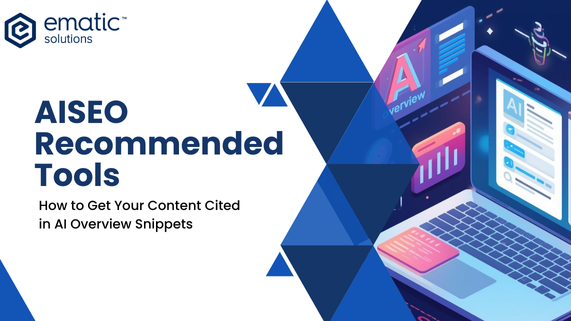
With the rise of AI-powered search summaries, called AI Overview snippets, SEO has changed. The new goal is to become a source that AI references.
No tool guarantees your content will be cited by AI Overview snippets. These snippets come from search engine AI models. However, some tools can boost your chances by helping you create content that AI can easily understand and trust.
This article will guide you through AISEO strategies and the tools that support them. You’ll find actionable advice to improve your content’s chance of being referenced.
Understanding Why AI Overview Snippets Cite Content
AI Overview snippets select content based on these characteristics:
- Directly answers a specific question
- Structured and easy to extract
- Comprehensively covers a topic
- Written in a neutral, trustworthy tone
- Technically accessible (indexable, fast-loading)
This means that quality content alone isn’t enough. You need to adapt your content for AI comprehension, following principles similar to writing for humans but optimised for machines.
Tools to Understand AI Overview Search Intent
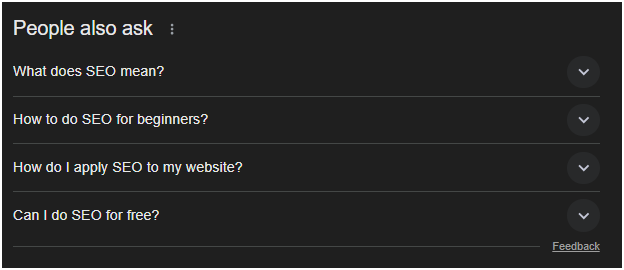
Also Asked
- What it does: Uses Google’s People Also Ask data to show related questions.
- AISEO value: Helps you plan your article to cover all relevant sub-questions an AI might include.
- Use case: Structuring FAQs, headings, and subtopics.
- Pro tip: Map the questions in a tree structure to see which answers flow into each other
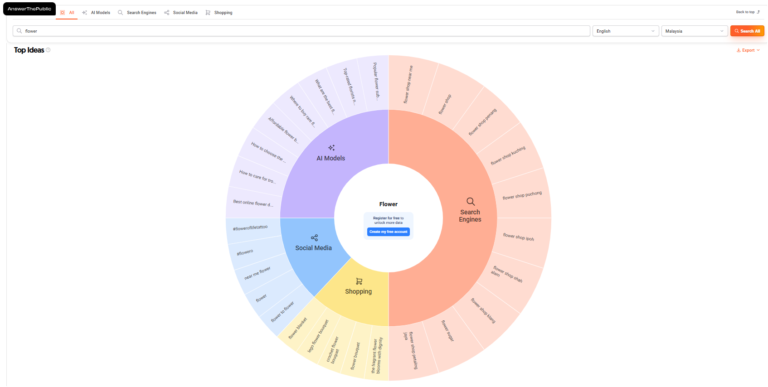
- What it does: Generates a large set of questions people search for around a keyword.
- AISEO value: AI Overview prefers natural language questions, not just keywords.
- Use case: Planning definitions, tutorials, and comparison content.
- Pro tip: Combine AnswerThePublic queries with AlsoAsked to spot overlapping questions and prioritise the most common ones.
Tools for Making Content Easily Extractable
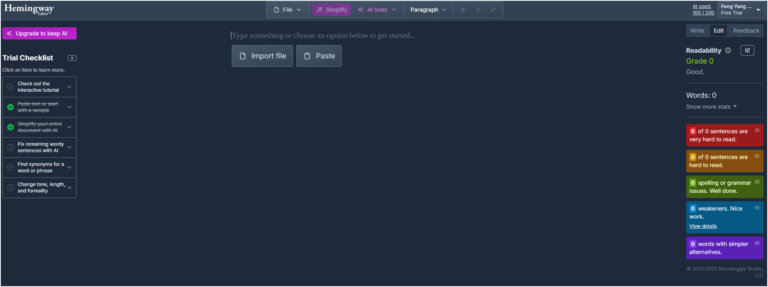
- What it does: Highlights long or complex sentences and passive voice.
- AISEO value: AI is more likely to cite short, clear, and directly answerable paragraphs.
- Use case: Editing key paragraphs for extractability.
- Tip: Keep key answers under 40–60 words; AI Overview often pulls concise chunks.
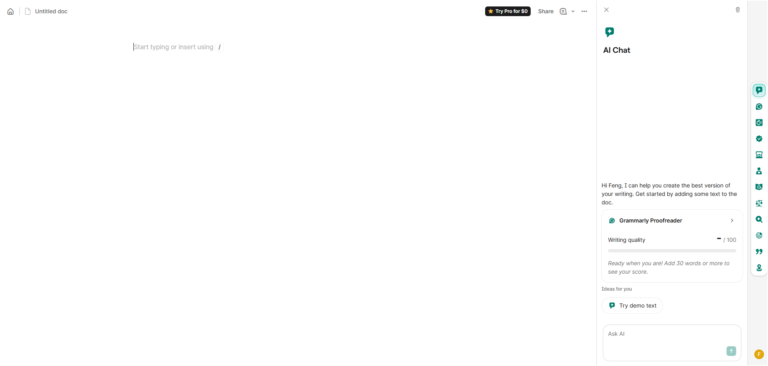
- What it does: Checks grammar, spelling, and clarity.
- AISEO value: Increases trustworthiness and readability, which AI favours in content selection.
- Tip: Use Grammarly’s tone suggestions to keep a neutral, informative voice instead of promotional language.
Tools for Building Topical Authority
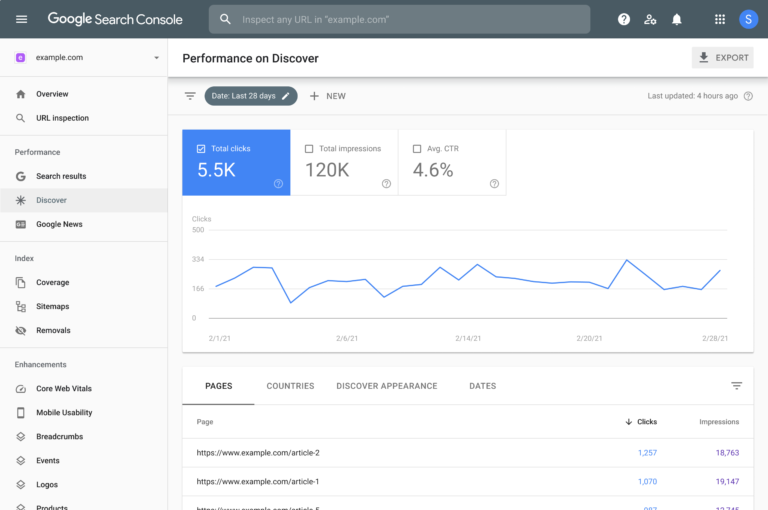
- What it does: Shows real search queries that display your pages.
- AISEO value: Identifies which queries your content partially addresses, allowing you to expand coverage and strengthen topical authority.
- Pro tip: Focus on queries with high impressions but low CTR to fill content gaps.

- What it does: Measures keyword popularity and topic trends.
- AISEO value: Helps prioritise timely topics that are more likely to appear in AI-generated summaries.
- Tip: Combine trend data with your own search intent research to decide which topics to expand first.
Tools for Ensuring Technical Accessibility
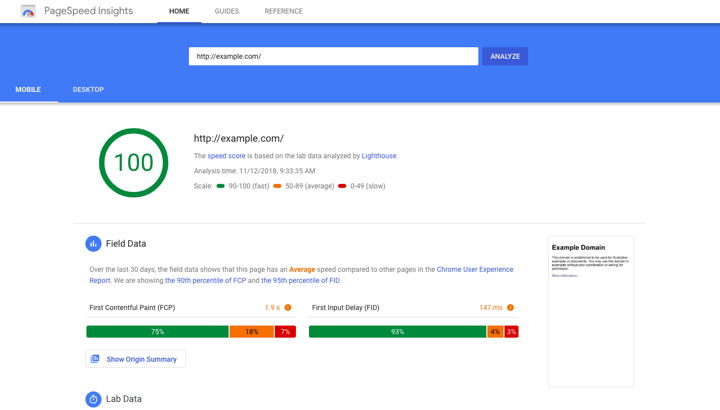
- What it does: Analyses page speed and Core Web Vitals.
- AISEO value: Fast, technically sound pages are more likely to be crawled and understood by AI systems.
- Pro tip: Even small improvements in page speed can help AI extract and interpret your content.
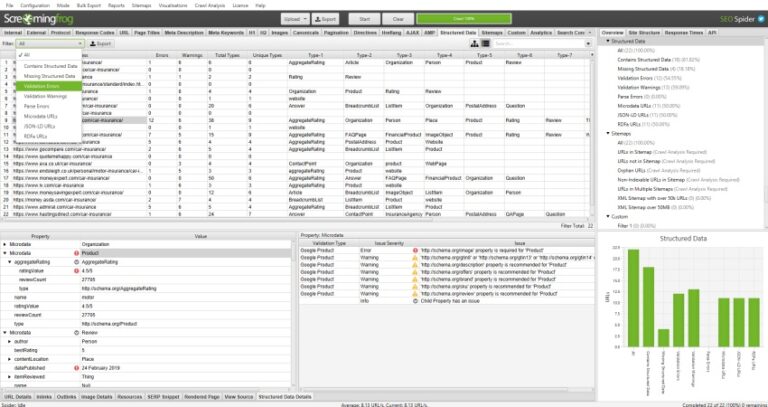
- What it does: Crawls pages to find SEO issues.
- AISEO value: Ensures your pages are indexable, well-structured, and error-free.
- Tip: Fix critical issues like broken links, missing headings, and duplicate content, as AI Overview systems rely on well-structured pages.
Content Writing Best Practices for AI Overview
Beyond tools, these practices help improve your chances:
- Answer questions clearly in the first 2–3 paragraphs. AI likes content that delivers answers quickly.
- Use structured headings (H2/H3) and bullet points. This makes content easier to parse.
- Cover related subtopics and common questions. This shows authority on the subject.
- Maintain a neutral and informative tone. Avoid overly promotional language.
- Keep paragraphs short and readable. Ideally 2–4 sentences per paragraph.
- Combining these practices with the tools above maximises your AI-readability and trust signals.
Sample AISEO Tool Workflow
- Plan questions and subtopics: AlsoAsked + AnswerThePublic
- Draft content: Human writing + AI-assisted tools (e.g., ChatGPT for outlines)
- Refine readability: Hemingway Editor + Grammarly
- Check topic coverage and search data: Google Search Console + Google Trends
- Perform technical checks: PageSpeed Insights + Screaming Frog
This workflow cannot guarantee AI citations, but it aligns content with AI Overview’s selection logic.
Conclusion
AISEO is no longer a theoretical concept, it’s a practical approach to make your content AI-friendly. By using tools strategically, you can create content that AI systems are more likely to understand, trust, and cite.