

If you follow the world of SEO (Search Engine Optimization), you’ve probably heard the term E-E-A-T a lot lately. It stands for Experience, Expertise, Authoritativeness, and Trustworthiness.
It’s Google’s way of judging the quality of a page, and it’s essential for getting your content seen.
But here’s the most important thing to understand, straight from Google’s John Mueller: You cannot ‘add’ E-E-A-T to your website like you add a keyword or an internal link.
It’s not a plugin, it’s not a special piece of code, and it’s certainly not a magic powder you can sprinkle on your pages. E-E-A-T is something you have to be, not something you can fake.
The Misunderstanding: Why You Can’t Just ‘Add’ It
When SEOs talk about “optimizing for E-E-A-T,” they often focus on superficial fixes, like:
- Adding a generic author bio: A picture and a title without real credentials.
- Listing fake awards: Claiming authority you haven’t earned.
- Creating a ‘Review Board’ page: Populating it with stock photos of “experts.”
John Mueller was clear: “You can’t sprinkle some experiences on your web pages. It’s like, that doesn’t make any sense.”
The Reality: Google doesn’t look at a piece of text that claims you’re an expert. It looks at real-world signals that prove it—like who links to you, what customers say about you, and if you truly offer unique, first-hand knowledge.
When It’s a Requirement vs. When It’s a Bonus
Google has different standards for different topics. They divide the internet into two main categories:
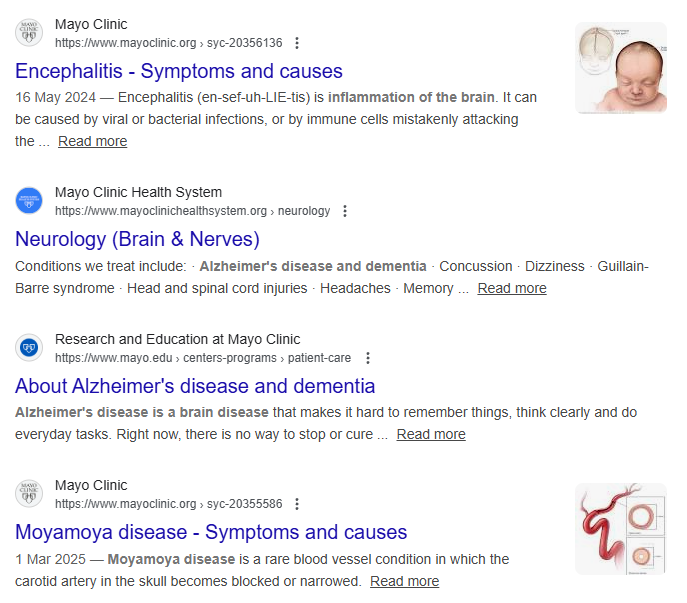
1. YMYL: Your Money or Your Life
For certain topics, E-E-A-T is not just nice to have; it’s a fundamental requirement.
- What it is: Pages dealing with health, finance, legal advice, or public safety.Information that could directly impact a person’s well-being or financial security.
- The Focus: For these pages, Google must ensure the content is trustworthy and written by genuine, certified experts. An article on heart surgery needs to be written by a cardiologist, not a general blogger. If you fail to demonstrate real, verifiable E-E-A-T here, your page won’t rank, because the risk of harm is too high.
2. The Everyday World (Non-YMYL)
For most other websites like a blog sharing travel tips, a recipe site, or a review of a new video game, the pressure is lower.
- What it is: Content that is generally non-critical and won’t put a user’s life or bank account at risk.
- The Focus: John Mueller notes that for these sites, E-E-A-T is not an algorithmic ranking focus. You won’t be penalized if you don’t have a Nobel Prize winner writing your cookie recipe.
- The Benefit: However, that doesn’t mean you should ignore it! Focusing on Experience and Trust is still smart business. If a recipe comes with genuine, unique tips from someone who has baked that dish 100 times (Experience), users will still prefer it and stick around—which is what Google ultimately wants.
How to Build Real Trust
Instead of trying to ‘add’ E-E-A-T, focus on doing the things that create it naturally:
| Instead of… | Focus on… | What to Do Now |
| Adding an empty ‘About Us’ page. | Being Transparent. | Make your contact info easy to find. Clearly state your refund/privacy policies. |
| Writing generic content. | Sharing First-Hand Experience. | Include original photos, video reviews, and unique insights from your actual work. |
| Claiming to be an expert. | Earning Reputation and Mentions. | Do great work that gets you mentioned (linked to) by other trusted sites and sources. |
| Ignoring the author. | Highlighting the Real People. | Give your writers and contributors clear, detailed bios showing their real-world experience. |
The Bottom Line: For most websites, E-E-A-T isn’t about pleasing the Google algorithm with tags or code. It’s about being a real, reliable source of information for your audience. Build a great, trustworthy resource, and the SEO will eventually follow.
Do you have a non-YMYL website (like a recipe blog or travel site) and want ideas on how to showcase your unique experience? Contact us now and get the best of SEO audit!